In the world of esports, the difference between winning and losing can sometimes be decided in seconds. A round that starts late, a break that runs too long, or a match timer that isn't managed properly—and the entire competitive balance can be disrupted.
This is why modern esports depends not only on skills and strategy, but also on precise time control. In professional esports tournaments, time discipline is no longer optional, but a core requirement.
In this blog, we'll explore why time control is so critical in esports matches, why manual systems fail, and how modern timer dashboards are professionalizing esports workflows.
Why is Time Control so Important in Esports?
In esports, where gameplay is fast-paced and highly competitive, precise time management is crucial. Match starts, round durations, tactical pauses, and breaks—all of these must be timed correctly to ensure the fairness and credibility of the tournament. Inconsistent timing can create imbalances between teams and raise questions about competitive integrity.
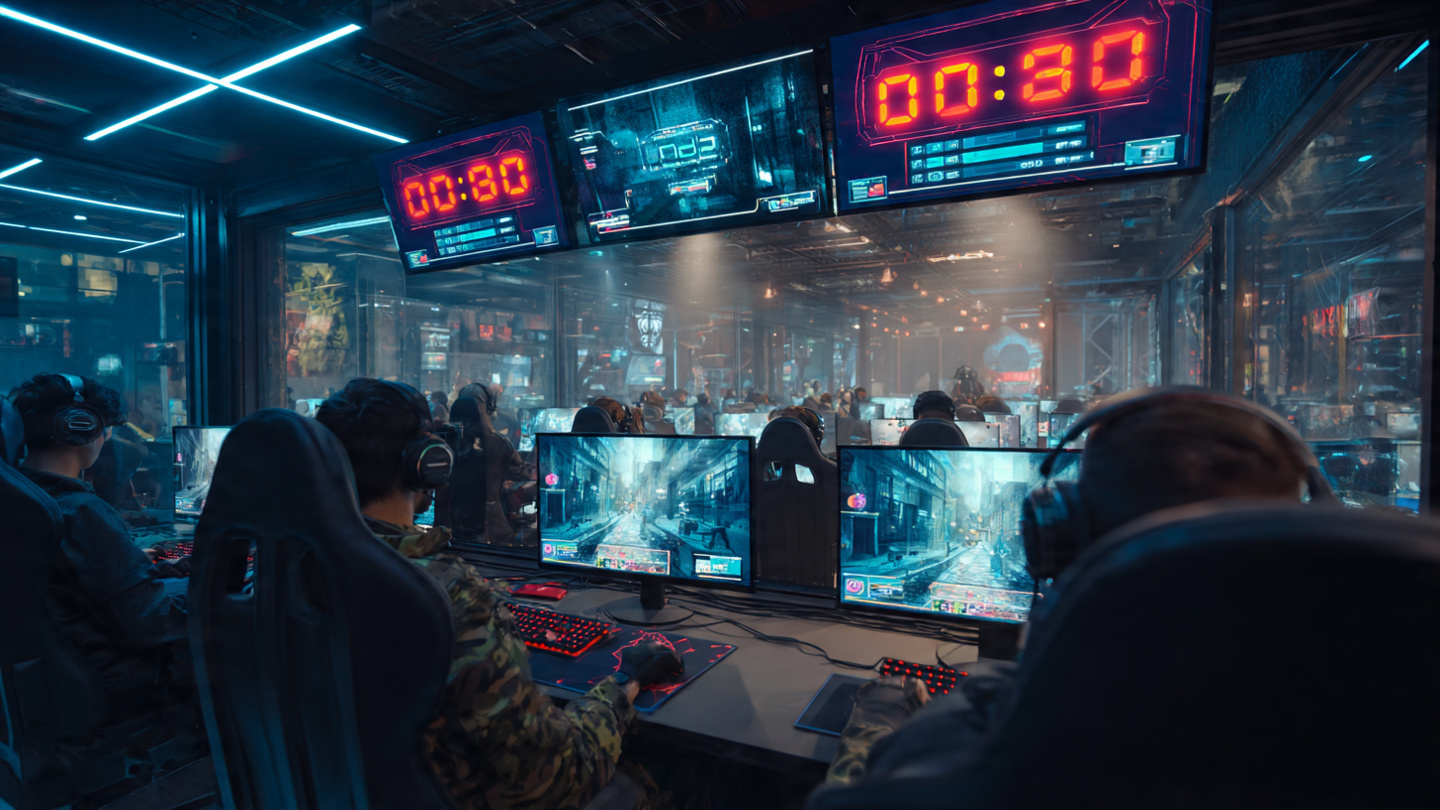
Esports players are completely immersed in the gameplay, so they need to be aware of the time not through verbal announcements, but through clear visual signals. When all players, admins, and casters see the same central timer, coordination improves and confusion is eliminated. This transparency is what elevates esports from the amateur level to the professional level.
Furthermore, modern esports is not just about gameplay—it's also a broadcast experience. Viewers expect good pacing, smooth transitions, and a predictable flow. Without strong time control, streams can feel unstructured, while disciplined timing builds audience trust and increases engagement.
Central Timer System: Esports' Silent Referee:
Not every decision in esports is audible, but every decision should be visible. The central timer system works much like a referee in traditional sports—without speaking, but keeping a watchful eye on the entire match. A single, centralized timer provides all players, administrators, and casters with the same time reference, eliminating any possibility of confusion or disputes during any phase of the game.
The central timer system eliminates these problems because the same synchronized countdown runs on all screens. This makes match starts, pauses, and breaks completely fair and predictable. The biggest advantage of this silent referee is transparency. Teams know that the rules are the same for everyone, and the audience can clearly see the flow of the event. This is why the central timer system is becoming a standard, not a luxury, in professional esports setups.
Multi-Timer System: Why is it essential for Esports?
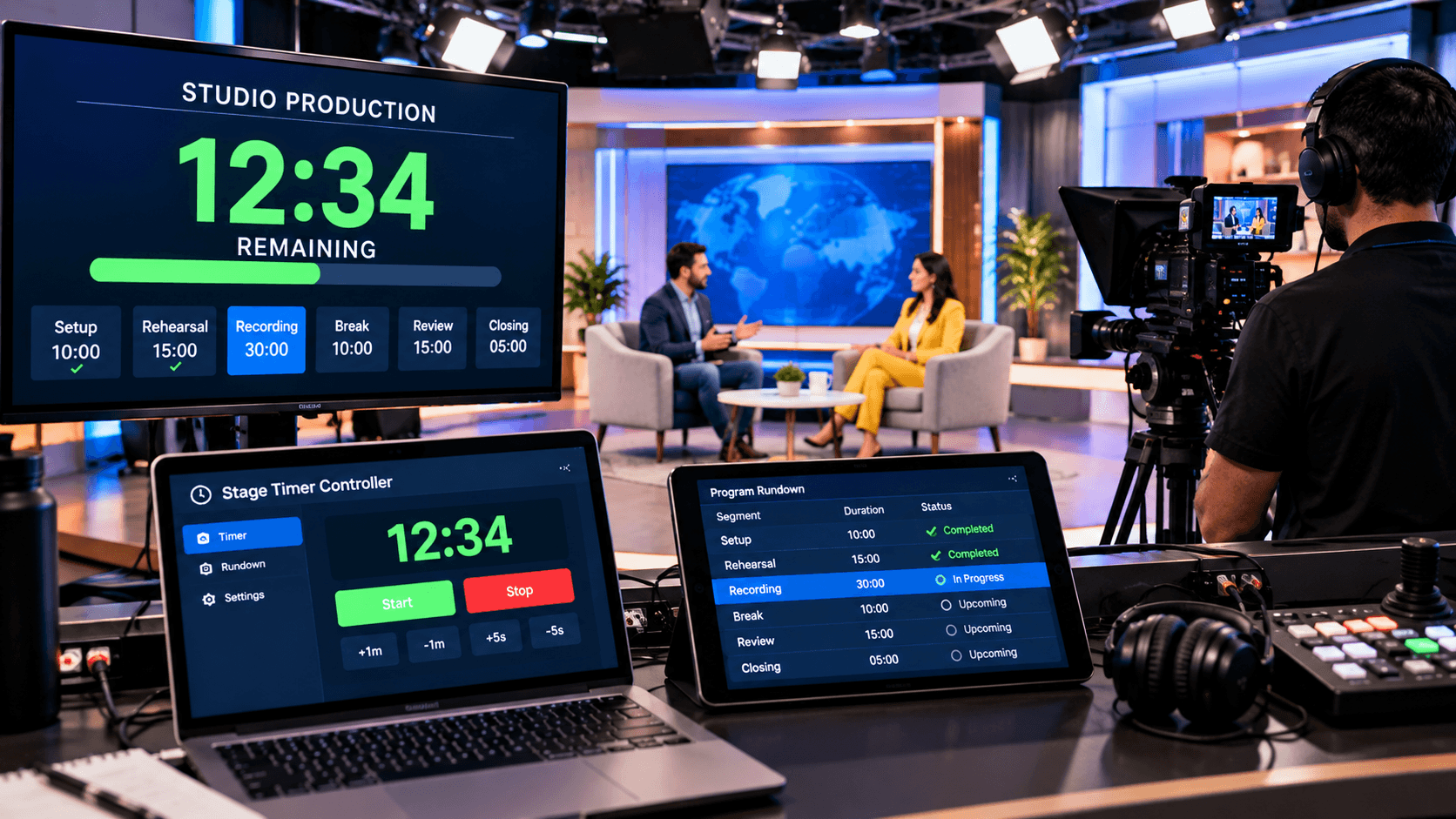
Esports matches aren't simply limited to a start and an end; they involve several distinct phases – such as match countdowns, rounds, tactical timeouts, breaks, and next-match preparation. A single timer is insufficient to manage such a complex flow. A multi-timer system provides separate control for each phase, ensuring the tournament remains structured and predictable.
With a multi-timer setup, administrators can instantly switch between timers without confusion. This prevents unnecessary delays between rounds and ensures all teams receive equal rest and preparation time. This fairness is a fundamental principle of esports competitions.
Time Control in Esports Production & Broadcasting:
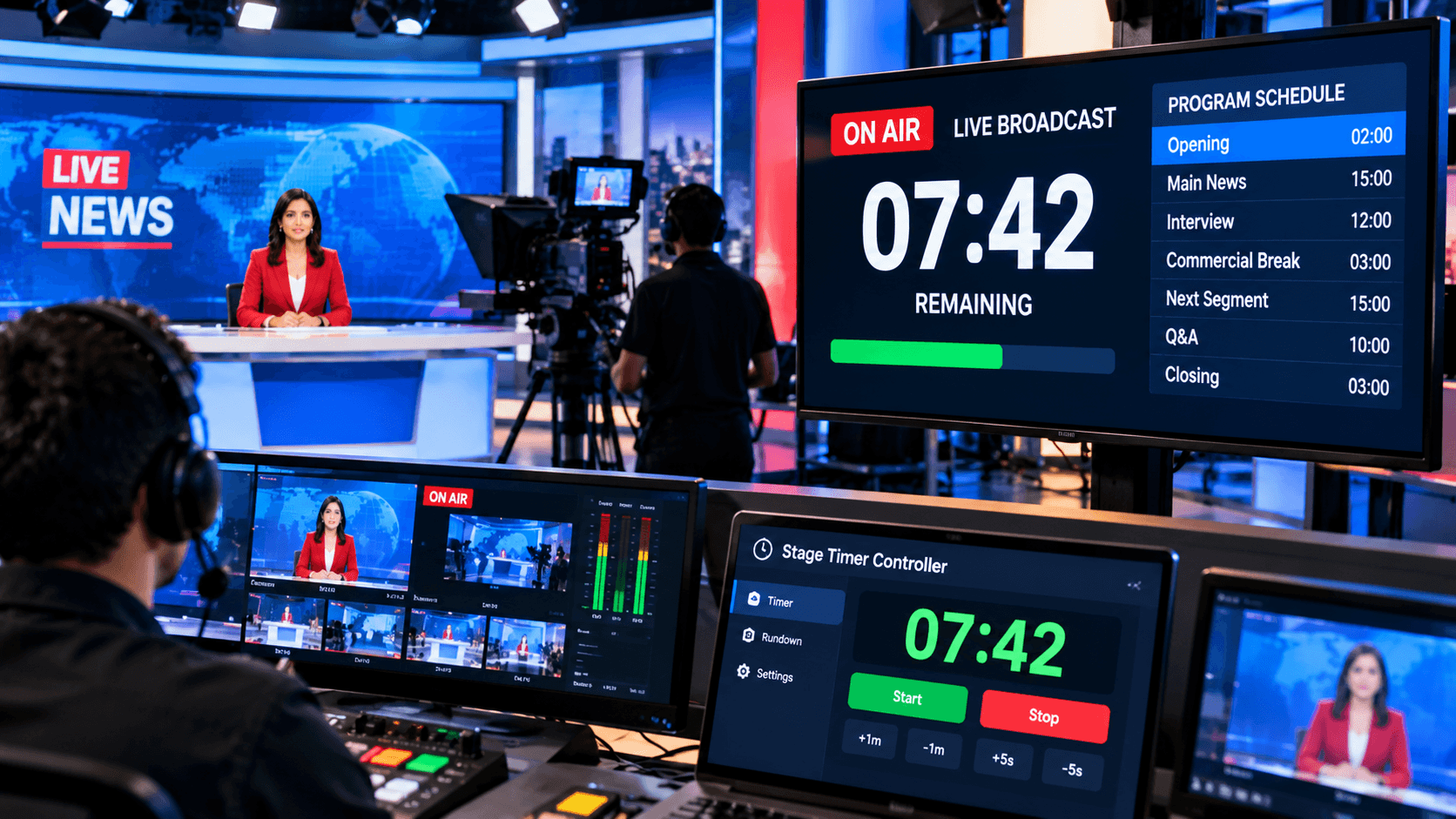
Modern esports is no longer limited to just gameplay; it has evolved into a full-scale broadcast product. Live streams, commentary segments, replays, and transitions—all of these need to be executed precisely on time for high production quality. Without structured timing, the stream can suffer from awkward pauses, rushed commentary, or missed moments.
Time control systems provide production teams with clear visibility of each segment. On-screen timers and centralized dashboards allow casters, observers, and the control room to work on the same timeline. This ensures smooth transitions and consistent broadcast pacing, ultimately enhancing the viewer experience.
In esports broadcasting, the audience judges professionalism largely based on timing. Predictable schedules and a disciplined flow build viewer trust and encourage continued engagement. Without robust time control, esports production can appear chaotic, while precise timing elevates esports to the level of traditional sports broadcasting.
The Future of Modern Esports: Smart Time Control:
Modern esports is rapidly evolving from casual competitions to structured professional leagues. Sponsors, broadcasters, and global audiences now expect the same level of discipline in esports that they see in traditional sports. Smart time control systems serve as a foundation for this transformation, making tournaments predictable, fair, and scalable.
Centralized timer dashboards give esports organizers real-time control, ensuring that match flow, breaks, and transitions are perfectly aligned. When the same timing is displayed on every screen, confusion is eliminated, and tournament execution becomes smooth. This is how smart time control propels esports towards becoming a long-term professional ecosystem.
Conclusion:
In esports, seconds are not just numbers; they are indicators of fairness and professionalism. Poor time management makes tournaments disorganized and amateurish, regardless of the skill level of the gameplay. Conversely, disciplined timing increases both audience trust and engagement.
For organizations that want to make esports serious, global, and sustainable, smart time control is no longer a luxury but a necessity. The right timing system leads esports towards a better experience, stronger credibility, and a professional future.